“Grade 1” search results (3000)
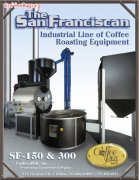
San Franciscan SF-150 68kg capacity industrial grade coffee roaster made by hand in the United States
San Franciscan Industrial Roaster SF-150 baking capacity: 600 lbs. Fuselage weight: 3850 lbs. Dimensions: 8W x 12L x 12H exhaust pipe: 14 diameter pipe operating voltage: 220 Volts 1/Phz or 220440-480Volts 3/Phz (voltage can be customized according to national standards) current: 45 Amps heat BTUs 500000
2015-10-27 San Franciscan SF-150 68kg capacity
How to determine the investment budget of the cafe
1. Determine the positioning of the coffee shop after detailed market research, determine the management grade and product pricing according to the consumption capacity of the business area where the coffee shop is located, and estimate the per capita consumption capacity of customers entering the coffee shop. 2. estimated turnover according to per capita consumption capacity, number of seats in cafes, occupancy rate and business days, monthly turnover can be estimated according to the following formula
2014-07-28 Coffee shop operation coffee shop budget coffee shop investment
Coffee beans AA grade AAA coffee is based on what grade? What are the characteristics?
Buy coffee beans should pay attention to choose products with QS certification, now the country has included coffee beans into the scope of enforcement, if there is no QS, it means that this product is not in line with food safety regulations. 2 about coffee grease: coffee is damp, Italian coffee beans should have oil itself. The law of fat is as follows: the surface of fresh, medium-and deep-roasted coffee beans will
2016-10-21 Coffee beans AAA coffee basis what grading coffee beans attention selection
Ethiopian coffee beans introduce the characteristics of Ethiopian coffee beans
Ethiopian coffee beans are divided into five levels. The first and second stages are washed beans. Washed beans Grade1 represents 3 defective beans per 300g raw beans, and Grade2 represents 4 defective beans per 300g. Gradc1 grade water washed beans are very rare and are generally difficult to buy. At present, all the washed beans exported from Ethiopia are Grade2 grade. The quality of sun-dried beans is Grade3 and Grad in order.
2016-05-08 Ethiopia coffee beans introduction characteristics divided into five
The classification of Colombian boutique coffee Colombian coffee characteristics Colombian coffee taste brother
According to the classification of defective beans, defective beans can be divided into two types:-first: called first-class defects-second: called second-level defects. First: main defects (defects that affect the taste characteristics of coffee): black beans. Private exporters of moldy beans or sour beans: no more than 12 national coffee committees: no more than 8 first-level defective beans, second: secondary defects
2016-03-21 Columbia boutique coffee grading characteristics taste according to defects classification score
How to determine the investment budget of a coffee shop
1. Determine the positioning of the coffee shop after detailed market research, determine the management grade and product pricing according to the consumption capacity of the business area where the coffee shop is located, and estimate the per capita consumption capacity of customers entering the coffee shop. 2. estimated turnover according to per capita consumption capacity, number of seats in cafes, occupancy rate and business days, monthly turnover can be estimated according to the following formula
2014-12-22 Coffee shop common sense how to determine invest budget coffee shop positioning classics
Grading of raw coffee beans
At present, there are three main rating criteria for raw coffee beans, and different countries adopt different rating methods according to their own production conditions and national conditions (not all coffee producing countries adopt the same method). Let's introduce these three popular rating methods. One: the reason for the emergence of such a classification standard according to the altitude of the coffee producing area is mainly because of the high level.
2014-07-22 Coffee raw beans coffee raw bean grading coffee encyclopedia coffee knowledge
Boutique Coffee Papua New Guinea Coffee Manor
The legendary background of modern coffee. In Papua New Guinea, about 75 per cent of coffee products come from small local farmers
2016-05-20 Boutique coffee Papua New Guinea producing area manor
Boutique coffee Papua New Guinea Coffee treatment method
The legendary background of modern coffee. In PapuaNewGuinea, about 75 per cent of coffee products come from small local farmers
2016-05-13 Boutique coffee Papua New Guinea handling methods
Analysis on the Design steps of salary system for Coffee Shop employees
Coffee shop employee compensation system design step analysis ①, job analysis, is a systematic process to determine the knowledge, skills and responsibilities that coffee shop employees need to complete various tasks; ②, job value evaluation, a, the purpose is to compare the relative importance of each position within the coffee shop and get the job grade sequence; to establish a unified job evaluation standard for external salary survey. B, there are many ways
2015-10-20 Coffee shop employee compensation system design steps analysis coffee shop salary
SCAE Coffee Grinding and making Certification Certificate (Grade I) domestic enrollment
SCAE European Fine Coffee Association GrindingBrewingCertificationLevel1andLevel2 Coffee Grinding and Brewing Certification (level I and II) course introduction by taking coffee grinding and making courses, students can fully understand and master the importance and influence of grinding and making methods on coffee production. Students can understand what it means to a cup of high-quality coffee.
2014-04-27 SCAE Coffee Grinding making Certification Certificate first Class domestic enrollment S
Boutique Coffee Papua New Guinea Coffee Manor Kimmel Manor
The legendary background of modern coffee. In Papua New Guinea, about 75 per cent of coffee products come from small local farmers
2016-05-12 Boutique coffee Papua New Guinea Manor Mayer
Boutique Coffee Papua New Guinea Coffee Manor Kimmel Manor
The legendary background of modern coffee. In PapuaNewGuinea, about 75 per cent of coffee products come from small local farmers
2016-05-12 Boutique coffee Papua New Guinea Manor Mayer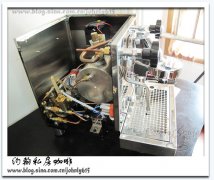
Disassembly of giotto commercial-grade household machines
I checked a lot of information before buying giotto. I know that when giotto was under ECM, it was a household machine with commercial configuration, so the internal structure and accessories used commercial-grade products. When the manufacturer delivered the goods, I also asked to record the whole process of debugging before shipment. Although I had seen the internal structure through the photos, and I was fond of fooling around, I still couldn't restrain my curiosity, so
2015-07-13 Giotto Business configuration Home Machine disassembly purchase giotto
Coffee Grade Yunnan Tieka Coffee Flavor description method Manor characteristics and taste introduction
In recent years, with the rapid development of coffee industry, the planting area of coffee in Yunnan has expanded from more than 300,000 mu in 2008 to more than 1.4 million mu in 2013, and the output has increased from about 30,000 tons to more than 80,000 tons. It is estimated that in 2015, the acreage will reach 1.5 million mu and the yield will reach 100000 tons. The three earlier subspecies in the Arabica series are Blue Mountain BlueMountain, Iron pickup Typica and
2016-10-24 Coffee grade Yunnan pickup flavor description processing manor characteristics taste
Boutique coffee beans: the detailed classification of Colombian coffee beans teaches you to know boutique coffee beans.
According to the classification of defective beans, defective beans can be divided into two types:-first: called first-class defects-second: called second-level defects. First: main defects (defects that affect the taste characteristics of coffee): black beans. Private exporters of moldy beans or sour beans: no more than 12 national coffee committees: no more than 8 first-level defective beans, second: secondary defects
2015-12-15 Boutique coffee beans Columbia details grading introduction teach you know according to
How to choose coffee beans G1 G2 G3 G4 what are the treatment methods? Boutique coffee beans
In fact, these Grade-2,Grade-3 do not exactly represent the level of quality. What does that mean? As follows: washing: a) both washing and sunlight, there is Gr-1, the condition is zero defect and PremiumCup. Whether it's washing or tanning, Gr-1 rates the boutique of the boutique or CupofExcellence coffee. B) the lowest level of sun-tanned Shifei and Sidamo is Gr-4. C) same
2016-04-01 How coffee beans respectively what is treatment method boutique in fact these G
Yega Xuefei G1
English name: Ethiopia, Wote Konga, Natural Yirgacheffe G.1 Commodity Specification: 227g Coffee country: Ethiopian Coffee producing area: Konga Wote growing altitude: above 1850m Coffee Variety: traditional Yega native species Coffee Grade: Grade 1 treatment method:
2014-08-14 Yega Xuefei G1 boutique Yega Xuefei Yega Xuefei G1 coffee beans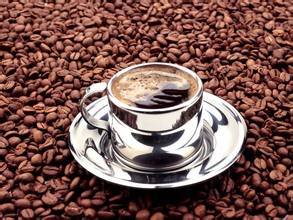
Boutique coffee Papua New Guinea coffee beans coffee coffee practice
The legendary background of modern coffee. In Papua New Guinea, about 75 per cent of coffee products come from small local farmers
2016-05-15 Boutique coffee Papua New Guinea coffee beans practice
Introduction to Paradise Bird Manor in Papua New Guinea
The frost in 1975 destroyed most coffee crops in Brazil, but stimulated the development of coffee in Papua New Guinea. The Government has implemented a scheme to finance the creation of about 20 hectares of coffee plantations in rural or collective land ownership. This measure has indeed increased the penetration of coffee in the local economy, with annual production reaching 1 million bags by 1990. However, almost
2016-06-18 Papua New Guinea Coffee Manor species introduction Bird of Paradise